Can You Shower After Getting a Tattoo? A Complete Guide
Updated: Jul 19
One of the most common questions after getting a tattoo is whether it's safe to shower. The good news is that, in most cases, gentle showers are perfectly acceptable. The key is understanding how to protect your healing tattoo from unnecessary irritation while keeping the area clean.
In this guide, we'll explain when you can shower after getting a tattoo, how to shower safely and what to avoid during the healing process.
For a complete overview of tattoo healing, aftercare and long-term maintenance, explore our Tattoo Care Guide.
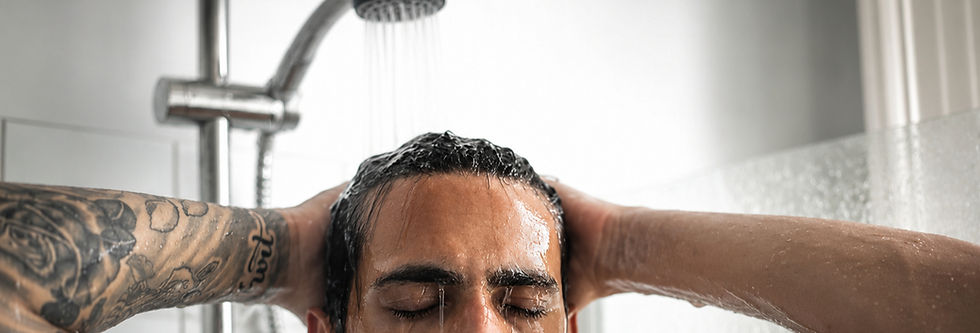
Can You Shower After Getting a Tattoo?
Yes. Most tattoo artists recommend gentle showers rather than baths during the healing process.
Showering helps keep the tattoo clean without exposing it to prolonged soaking, which may soften healing skin and increase the likelihood of irritation. Always follow the aftercare instructions provided by your tattoo artist, as recommendations may vary depending on your tattoo.
How Soon Can You Shower After Getting a Tattoo?
The timing depends on the aftercare instructions given by your tattoo artist and the type of dressing used.
Once you're advised it's appropriate to shower, keep the process simple:
Use lukewarm water
Avoid high-pressure water directly on the tattoo
Wash gently
Pat the area dry with a clean towel
Avoid rubbing or scrubbing the tattoo.
How To Shower With A New Tattoo
Keep Water Lukewarm
Very hot water may increase skin sensitivity during healing.
Lukewarm water is generally the most comfortable option.
Keep Showers Short
Long showers expose healing skin to moisture for extended periods.
Keeping showers relatively brief helps minimise unnecessary soaking.
Wash Gently
Avoid abrasive cloths, sponges or excessive rubbing.
Use your hands to gently clean the tattoo if advised by your tattoo artist.
Pat Dry
After showering, gently pat the tattoo dry using a clean towel.
Avoid rubbing the area.
Moisturise If Needed
Once the tattoo is dry, apply a thin layer of tattoo balm if the skin feels dry or tight.
Learn more in How Often Should You Moisturise a New Tattoo?
What Should You Avoid?
During healing, avoid:
Long baths
Hot tubs
Swimming pools
Lakes and the sea
Steam rooms
Saunas
These expose healing skin to prolonged moisture or bacteria.
For more information, read When Can You Swim After Getting a Tattoo?
Can Water Damage A New Tattoo?
Normal showering is not usually a problem. The greater concern is prolonged soaking, which may soften healing skin and increase irritation. Keeping showers short and avoiding unnecessary soaking helps support the healing process.
When Can You Return To Normal Showers?
Most people gradually return to their normal shower routine once the tattoo has healed on the surface.
Healing times vary, but this commonly takes around 2–4 weeks.
Learn what to expect in Tattoo Healing Stages: What to Expect Day by Day.
Final Thoughts
Showering after getting a tattoo is generally encouraged because it helps keep the area clean. The most important considerations are keeping showers gentle, avoiding prolonged soaking and supporting your skin with appropriate aftercare.
Clean your tattoo carefully, pat it dry and moisturise when needed to help create the best environment for healing.
Continue Reading

Frequently Asked Questions
Can I shower on the first day after getting a tattoo?
Follow your tattoo artist's instructions. The timing may depend on the type of dressing used and the location of your tattoo.
Can hot water damage a healing tattoo?
Very hot water may increase irritation and discomfort. Lukewarm water is generally the preferred option during healing.
Should I cover my tattoo while showering?
This depends on your tattoo artist's aftercare advice and the dressing being used. Follow the instructions provided specifically for your tattoo.
Can I wash my tattoo with soap?
Use a gentle cleanser if recommended by your tattoo artist and avoid harsh or heavily fragranced products that may irritate healing skin.
Can I moisturise straight after showering?
Yes. Once the tattoo has been gently patted dry, apply a thin layer of tattoo balm if the skin feels dry or tight.